OSINT 101: A Simple Guide to OSINT for Beginners
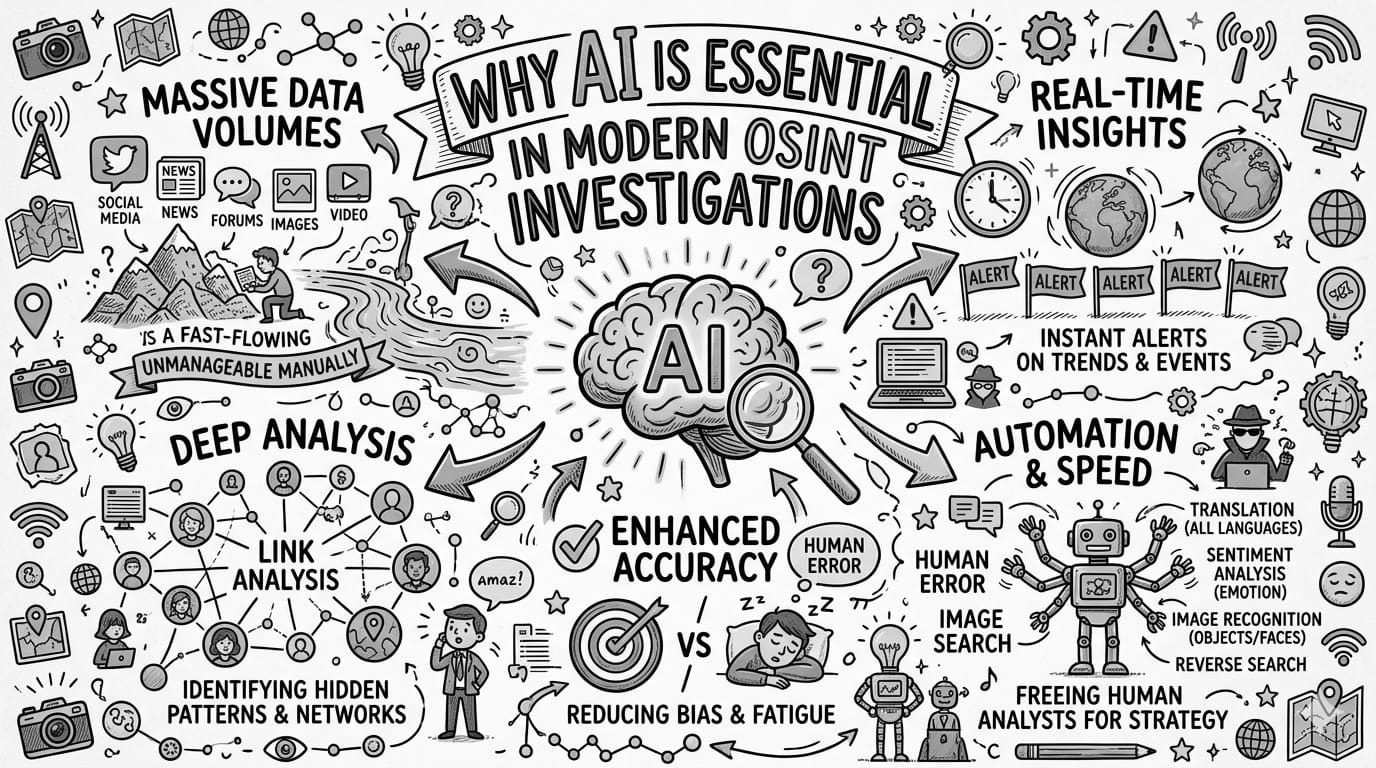
The Internet has redefined how people interact, communicate and conduct business. As a result, we now live in a hyperconnected world where the majority of communications happen online. According to the World Population Review, it is projected that by 2030, 73% of smartphone users worldwide will be able to access the Internet from their phone. Today, people use the Internet to purchase goods and services, enjoy entertainment, and connect or network with others without any geographical barriers. This continued digital expansion generates vast volumes of data, forming the foundation of open source intelligence (OSINT) and modern data analysis.
The History of OSINT
- The evolution of OSINT and intelligence gathering can be traced back centuries and continues to shape the modern world. In ancient civilisations, the origins of OSINT were evident, as leaders and rules relied on information from open sources to make strategic decisions. For instance, leaders of ancient Rome dispatched emissaries to gather intelligence on neighbouring territories. This early form of OSINT laid the foundation for the collection and analysis of publicly available information to assess potential threats and opportunities.
- The early 20th-century World Wars marked significant milestones in the development of OSINT practices. During World War I, for instance, the British government collected and analysed open source information from newspapers, books and other public materials to better understand public opinion and shape its propaganda campaign against Germany.
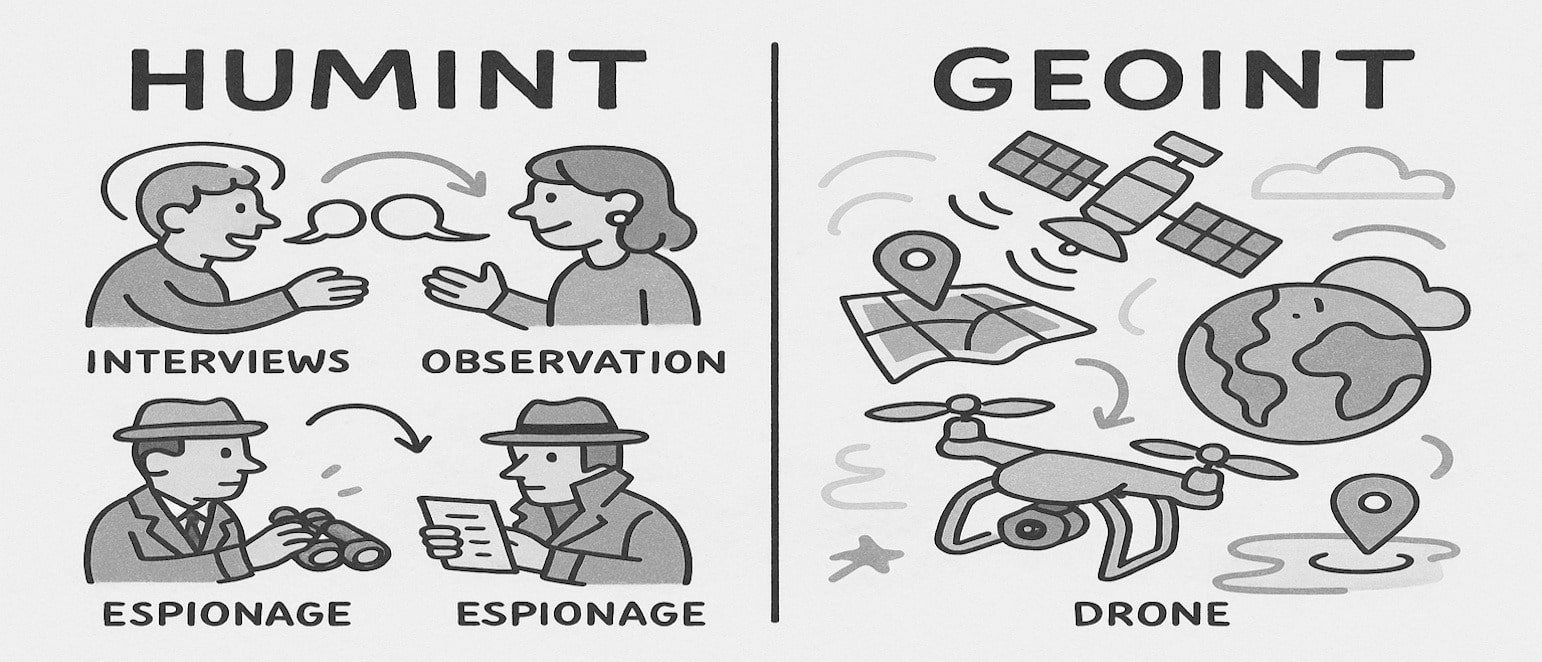
- A surge in intelligence activities was observed between the United States and the Soviet Union during the Cold War era. Technological advancements, such as the development of satellites and reconnaissance aircraft, revolutionised OSINT capabilities. For example, satellite imagery provided valuable insights into enemy military installations and strategic assets.
- The advent of the Internet has revolutionised OSINT over the years. Today, analysts have access to an immense amount of information from around the world, thanks to the Internet. Social media, online publications, and databases provide real time, critical information that is essential for intelligence analysis. While the core principles of OSINT remain the same, analysts must sift through large volumes of data and verify their sources before conducting analysis to produce actionable intelligence. The Internet simply introduced new tools and information channels which continue to enhance this age-old practice.

In Conclusion
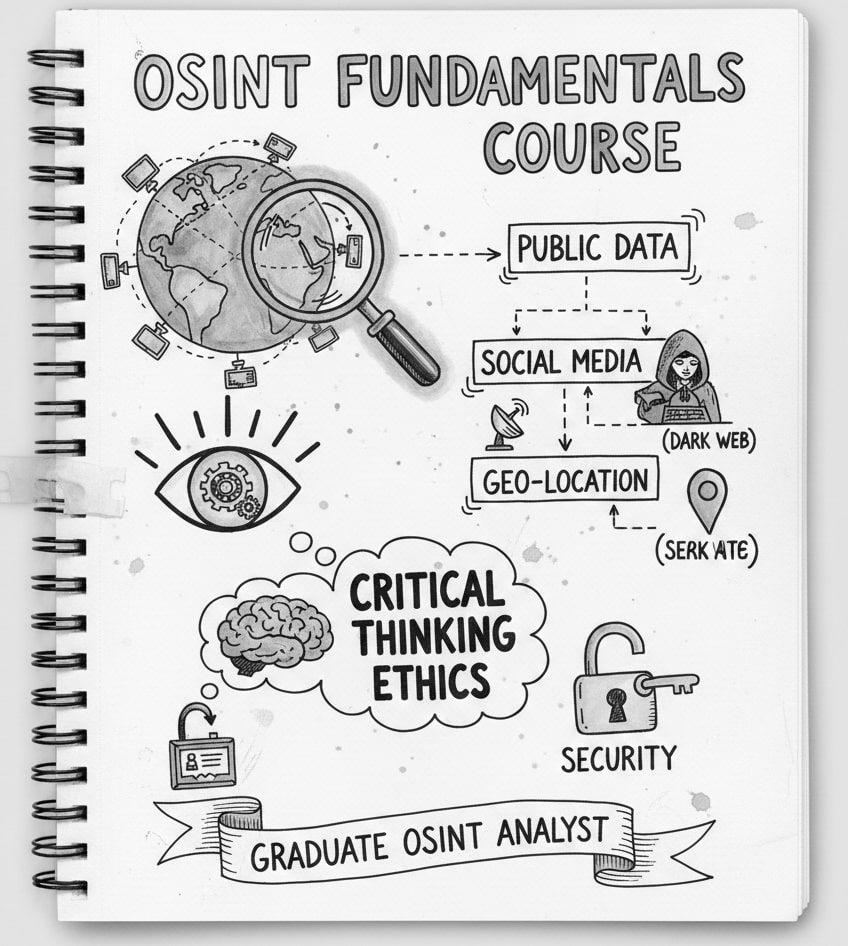
The field of intelligence gathering is diverse, with several new forms of intelligence emerging over time. Open Source Intelligence (OSINT), one of the primary intelligence disciplines, refers to the process of collecting information fraom publicly available sources, both online and offline. The Internet is one of the main domains where OSINT data can be gathered.